Turning lived experience into impact
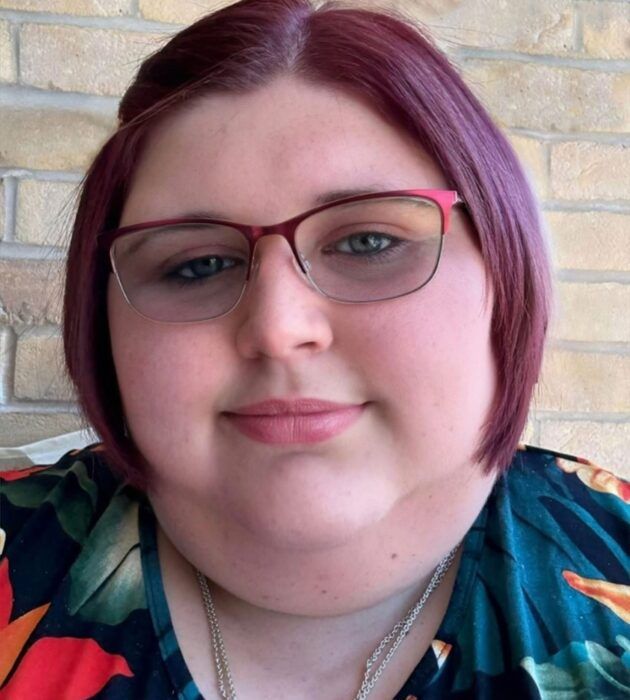
Katie-Rose Stone
- Lived experience
- Person-centred care
- Health inequalities
We recently published a report with the Department of Health and Social Care exploring patient views on medical devices prescribed outside hospital settings.
Katie-Rose, a National Voices lived experience partner, supported the project at multiple stages, including helping to design the survey and interviews, and contributing to data analysis. We spoke with Katie-Rose about her experience of working on the project and the emerging findings she found most important.
Can you tell me more about you and what the topic of medical devices means to you?
I am a National Voices lived experience partner, and I have had a stoma since 2019. Because of that, I’ve been involved in this piece of work, and it’s been really rewarding to contribute to something that means so much to me personally.
My stoma bag is a major part of my life, it’s something I have to think about every day. Even a few years down the line, there’s still a lot of inconvenience. For example, if I go swimming, I have to change my bag afterwards, often in changing rooms, which can be messy because it’s a urostomy. The seal on the bag just isn’t good enough for that kind of activity.
That’s where medical devices really matter to me. It’s not just about whether a product works in theory or helps you exist, it’s about whether it actually enhances your life. Does this product do more than just make you exist? Does it enrich your life at the same time?
Did the themes that emerged from the research align with what you expected, and how did seeing them reflected back make you feel?
At the start of the project, I shared what I expected to come out of it based on my experience of using these products. A lot of medical devices are linked to invisible conditions, which can feel quite isolating, you don’t know who else is part of your community. I could walk past someone with a diabetes device or another stoma bag and never know.
Even when you do talk to people, the kinds of conversations you have aren’t exactly what came up in the report. So, when we saw the data, it felt like confirmation that I wasn’t the only one thinking this way. There’s a shared connection, not just in what we use, but in the issues we experience day to day.
Seeing that reflected in the research made those frustrations feel justified. Things like the colour or design of a bag can sound minor, and you can easily tell yourself you shouldn’t complain. But having the report back up those feelings made me realise it’s not just me and that made a real difference.
Are there any findings from the project that you would really like NHS staff making prescribing decisions to take on board?
If you prescribe a product that actually fits with someone’s life, it has a real impact on their mental wellbeing. That’s something I’d really want NHS staff to take on board.
When people feel better physically, that can reduce mental health issues like depression and the need for additional medication, which can save money in the longer term. There’s a lot more to prescribing decisions than just the upfront cost of a product, the wider impact on someone’s wellbeing really matters.
Is there anything that you wish people who don’t use medical devices knew?
I never thought I’d be in the position of needing one. For a lot of people that use devices, it’s not something that they planned on doing in life.
Anyone can get diabetes. Anyone can end up needing trachies (i.e., tracheostomy tube) or PEGs (i.e., Percutaneous Endoscopic Gastrostomy) or whatever kind of device. It can happen to anyone and that’s not, you know, to put the fear of God into anyone by all means. […] You know, you’re looking at something which is a device that anyone at any point in life could end up needing.
How did it feel to be part of this project?
It was really rewarding to be able to give something back and use my lived experience in a positive way. What I went through was never going to be easy, but being able to turn that experience into something constructive has been really meaningful for me.
Seeing the final report also helped with my own mental wellbeing, realising that what I think and feel is shared by others, and that it’s justified. I gained a lot from being part of the project.
If the recommendations and next steps from this project aren’t acted upon, what would that mean for people who use medical devices?
I think it would feel very disrespectful. So many people with lived experience have contributed to the report and provided strong evidence. If it isn’t acted upon, it sends the message that the current situation is acceptable and that people’s voices don’t really matter.
There’s a risk it becomes a tick-box exercise, which some listening projects already feel like. I really hope that isn’t the case, not just because I’m personally invested, but because of the amount of work and engagement that’s gone into this. Acting on the recommendations could genuinely improve life for people using medical devices now, and for those who will need them in the future.
Find the full report here.